Duplex and triplex conversion in Montreal
Converting a multiplex into a single-family home

Photo credit:
Félix Michaud
Converting a multiplex into a single-family home
Photo credit:
Félix Michaud
Cré-Actif guides you through every stage of converting a duplex or triplex into a single-family home, from the initial assessment of the building to project completion. Each project is carefully planned around the existing structure, your specific needs, and the property’s unique characteristics and constraints.
Converting a duplex or triplex into a single-family home is a great way to adapt a property to your family's needs without having to move. This transformation offers the opportunity to increase or reorganize your living space while staying in your neighbourhood and maintaining your daily routines and familiar surroundings. It can also be a smart financial move, helping you avoid the costs and uncertainties associated with selling your current home and buying a new one.
Let's talk about your project
Checking municipal regulations
Before converting a duplex or triplex into a single-family home, it is essential to check the applicable municipal regulations. In certain areas of Montreal, such conversions may be restricted or prohibited to protect the existing rental housing stock. Where conversion is not permitted, alternative solutions may be explored to reorganize or extend the living space.
Structural assessment
Converting two residential units into a single-family home often involves extensive renovations. It also provides an opportunity to assess the building’s structural condition and identify any repairs or reinforcements required before construction begins. Ensuring the integrity of the existing structure establishes a sound foundation for the subsequent stages of the project.
This assessment must also consider the anticipated loads of new materials and installations, such as a fireplace, masonry, or a piano. Where additional structural support is required, reinforcements can be incorporated into the project from the outset.
Soundproofing party walls
Party walls in many Montreal buildings provide limited sound insulation. Converting a duplex or triplex offers an opportunity to improve acoustic performance while the walls are exposed during construction.
Depending on the building's construction, several soundproofing measures can be incorporated, including decoupled wall assemblies, acoustic insulation, and cavity treatments. These renovations also provide an opportunity to upgrade thermal insulation, improving indoor comfort and reducing energy consumption.
Planning windows and lighting
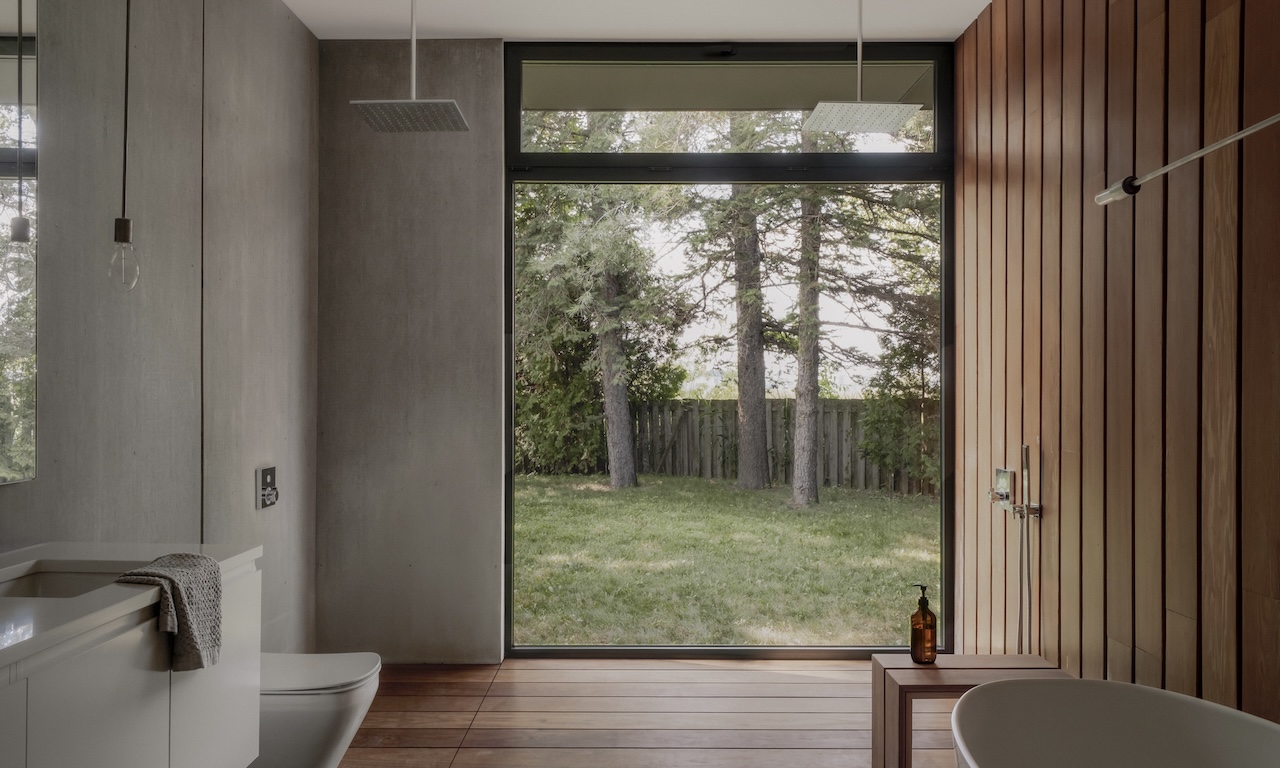
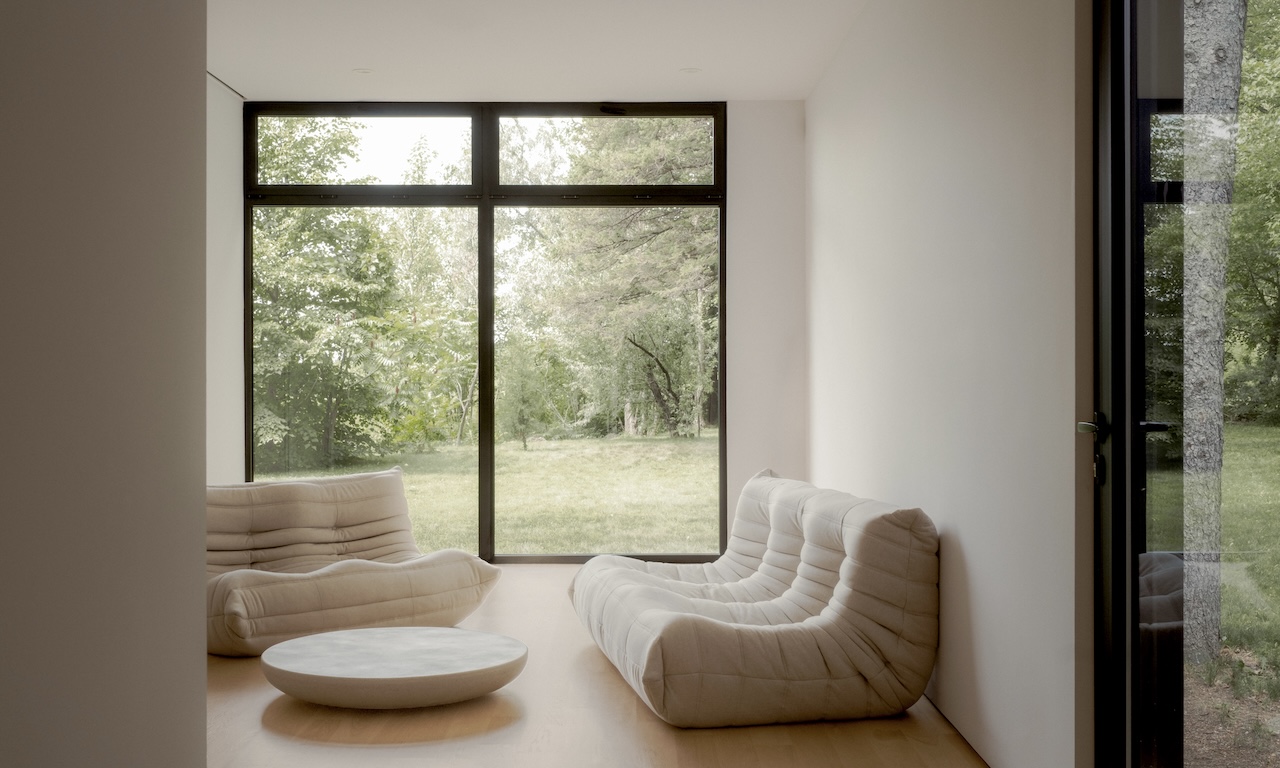
Natural light deserves special attention when converting a duplex into a single-family home. Renovations offer an opportunity to reconsider the placement and size of windows, increasing daylight and strengthening the connection between interior and exterior spaces.
In urban settings, window placement must also account for neighbouring properties and sightlines. Thoughtfully positioned openings can maximize natural light while maintaining privacy for the occupants.
As the founder of Cré-Actif, Patrick Asselin brings over 30 years of experience in managing construction and renovation projects. His expertise allows him to oversee complex projects while maintaining continuity from initial planning through to completion. Attentive to each client's needs, he emphasizes clear, ongoing communication to support informed decisions and ensure careful oversight of construction activities. For duplex or triplex conversions, he works closely with a network of trusted professionals whose complementary expertise contributes to the successful execution of each project.
Interior design
Converting a duplex into a single-family home provides an opportunity to reorganize the interior around the occupants’ needs and available budget. Room configuration, circulation, and connections between floors should be addressed early in the planning process.
Creating or modifying a staircase may be necessary. In older buildings, existing stairs may no longer comply with current building codes. Bringing them up to code can require additional space and influence the overall layout.
Interior planning must therefore consider the home as a whole to create a cohesive, functional, and comfortable living environment.
Let’s talk about your project

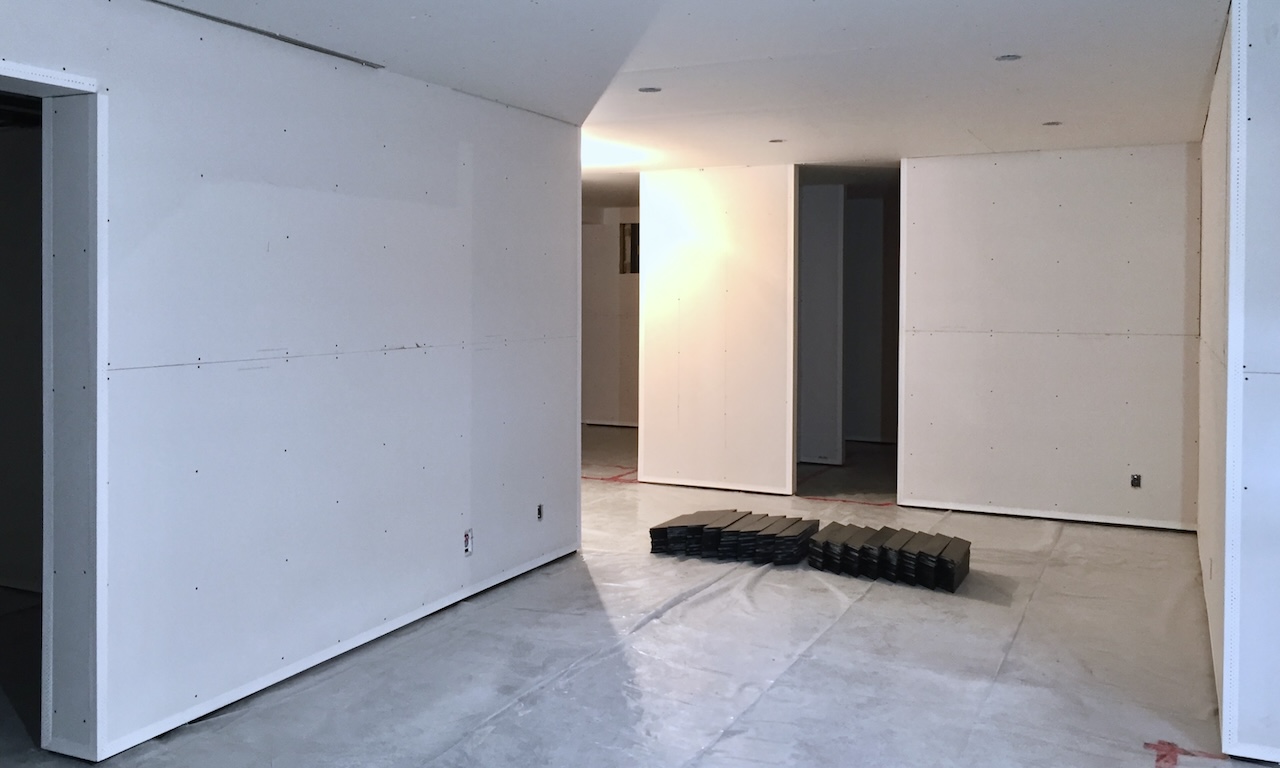
Every project begins with a careful assessment of the existing building. Our priority is to address necessary repairs, preserve elements in good condition, and make the most of the available space.
Based on this assessment, we work with you to identify the most appropriate solutions, taking into account your objectives and budget. This collaborative approach supports informed decisions and ensures a cohesive result.
Clear communication and transparency guide every stage of our work. We establish a detailed budget from the outset, outlining the costs of materials, labour, and required equipment. Any changes or unexpected conditions that could affect costs are discussed openly as the project progresses.
A team of professionals for your project
Depending on the project's requirements, Cré-Actif assembles a team of qualified professionals and skilled tradespeople, including architects, designers, engineers, and specialized contractors. This collaborative approach brings together the expertise needed for each project while maintaining coordination throughout construction.
For duplex or triplex conversions into single-family homes, we coordinate the various trades and supervise construction to ensure that all work is carried out in accordance with the plans, applicable building codes, and the project's specific requirements.
Let's talk about your project
What are the conditions for converting a duplex or triplex?
The requirements for converting a duplex or triplex into a single-family home vary by municipality and, in Montreal, by borough. It is essential to confirm that the conversion is permitted under local zoning regulations and complies with applicable building codes. An assessment of the existing building then helps identify the work required and determine the project's feasibility.
Which boroughs allow conversions?
Whether a duplex or triplex can be converted into a single-family home depends on local regulations, which vary by Montreal borough. In certain areas, conversions may be restricted or prohibited to protect the existing rental housing stock. As regulations are subject to change, it is important to confirm the applicable requirements with your borough before proceeding. Where conversion is not permitted, alternative solutions may be explored to reorganize or extend your living space.
What are the costs associated with converting a duplex or triplex?
The cost of converting a duplex or triplex into a single-family home depends on several factors, including the building’s condition, the scope of work, necessary structural modifications, the area being renovated, and material selections. An initial meeting allows us to evaluate the project’s requirements and develop a realistic preliminary cost estimate.
How do I obtain a permit to convert a duplex or triplex?
Permit applications must be submitted to the appropriate borough or municipality. Depending on the scope of work, professionally prepared plans and additional documentation may be required. Processing times vary depending on the project and local requirements. Cré-Actif can help you prepare for the application process and connect you with the appropriate professionals to obtain the necessary permits.
Let's talk about your project
RBQ: 8312 – 6110 – 56