Home renovation in Montreal
Restoring and preserving
what is sound
Photo credit:
Félix Michaud
Restoring and preserving
what is sound
Photo credit:
Félix Michaud
Renovating a house involves several steps that require careful planning. This preparation provides a clear understanding of the work involved and how each intervention contributes to the project as a whole.
Before starting any work, we take the time to understand the occupants' needs, daily routines, and short-, medium-, and long-term plans. These factors inform space planning, the scope of work, material selection, and key decisions throughout the project. This initial assessment helps us define a clear strategy and anticipate potential challenges during construction.
Residential renovation involves transforming an existing building while retaining elements of its original structure and introducing new interventions. The challenge lies in understanding the building's distinctive characteristics and establishing continuity between existing and new elements to create a cohesive whole.
Let’s talk about your project

Converting a duplex into a single-family home
Converting a duplex into a single-family home allows you to reconfigure your space to better suit your needs. For a family running out of room, it’s an opportunity to combine both levels, creating a larger home that is better adapted to your lifestyle. At Cré-Actif Construction, we assess the building, the owners' needs, and municipal requirements to define a tailored approach.
The location and scale of the project guide our site planning to minimize dust, noise, and service interruptions, and to ensure coordination with neighbours whenever necessary.
Home extension
Home extensions, whether adding rooms, an additional storey, or extending the basement, allow homeowners to adapt their living space to evolving needs. In Montreal, where every square foot counts, an addition offers a way to gain space while making the most of the existing structure. At Cré-Actif Construction, we carefully assess the building's characteristics, the occupants' needs, and municipal requirements to identify the most appropriate solution and ensure the new addition integrates seamlessly with the existing home.
Complete home renovation
A complete home renovation offers an opportunity to rethink living spaces, improve functionality and comfort, and adapt the home to its occupants’ evolving needs while respecting the building’s existing character.Whether undertaking a modest renovation or a major transformation, we recognize the personal and financial significance of each project. We work closely with our clients to understand their priorities and help them make informed decisions throughout the process. Our role is to develop thoughtful solutions that reflect their expectations while responding to the building’s characteristics and the specific requirements of the work.
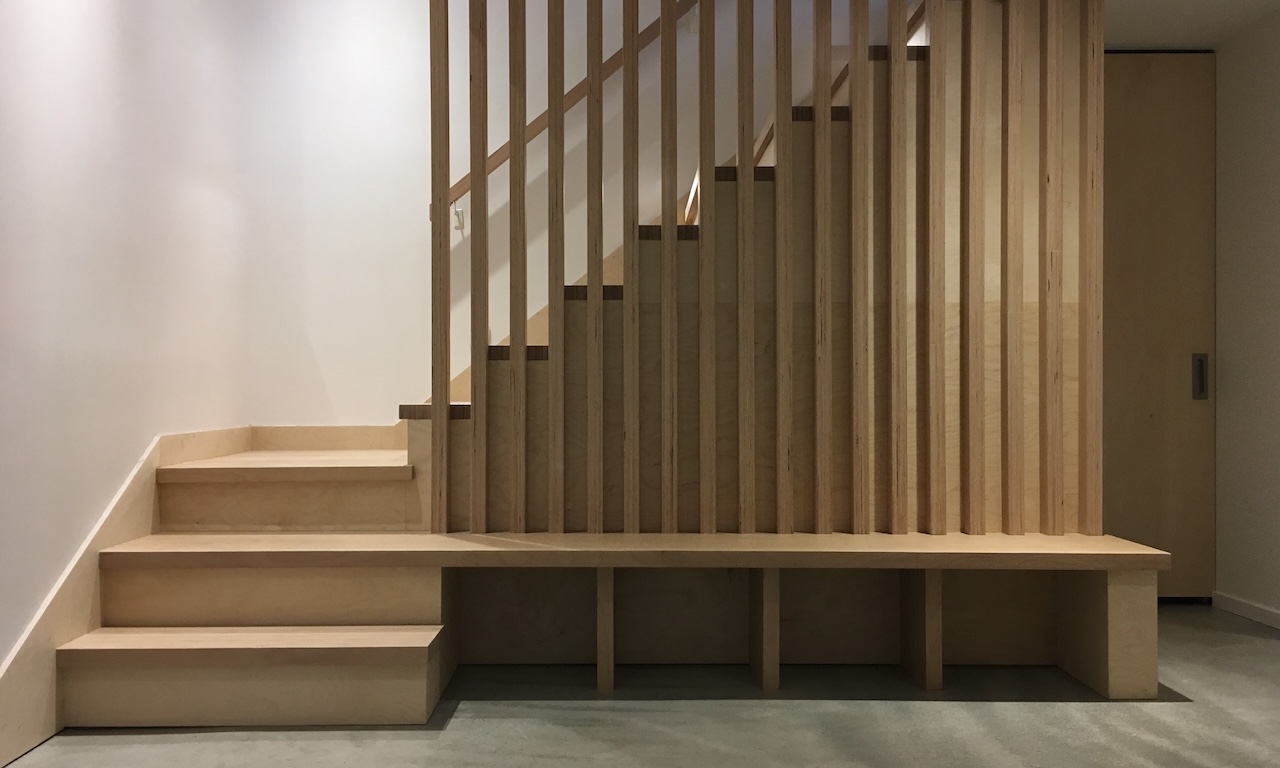
Initial meeting
Every project begins with a meeting. An opportunity to understand your needs, the context, and your vision, while laying the groundwork for a relationship built on trust and open communication.
Project preparation
Residential renovation represents an important personal and financial investment. Understanding each client's needs and expectations is essential to the success of every project, from modest improvements to major renovations.Careful preparation, early assessment of technical and financial considerations, and thoughtful selection of contractors and materials help homeowners make informed decisions and approach construction with confidence.
Support at every step
Cré-Actif Construction brings nearly 30 years of experience to residential and commercial renovation projects, supported by professionals with complementary expertise. We undertake projects ranging from targeted improvements to major, full-scale renovations. Our approach is grounded in attentive listening and ongoing communication, allowing us to understand the specific requirements of each project and develop solutions tailored to our clients’ needs.
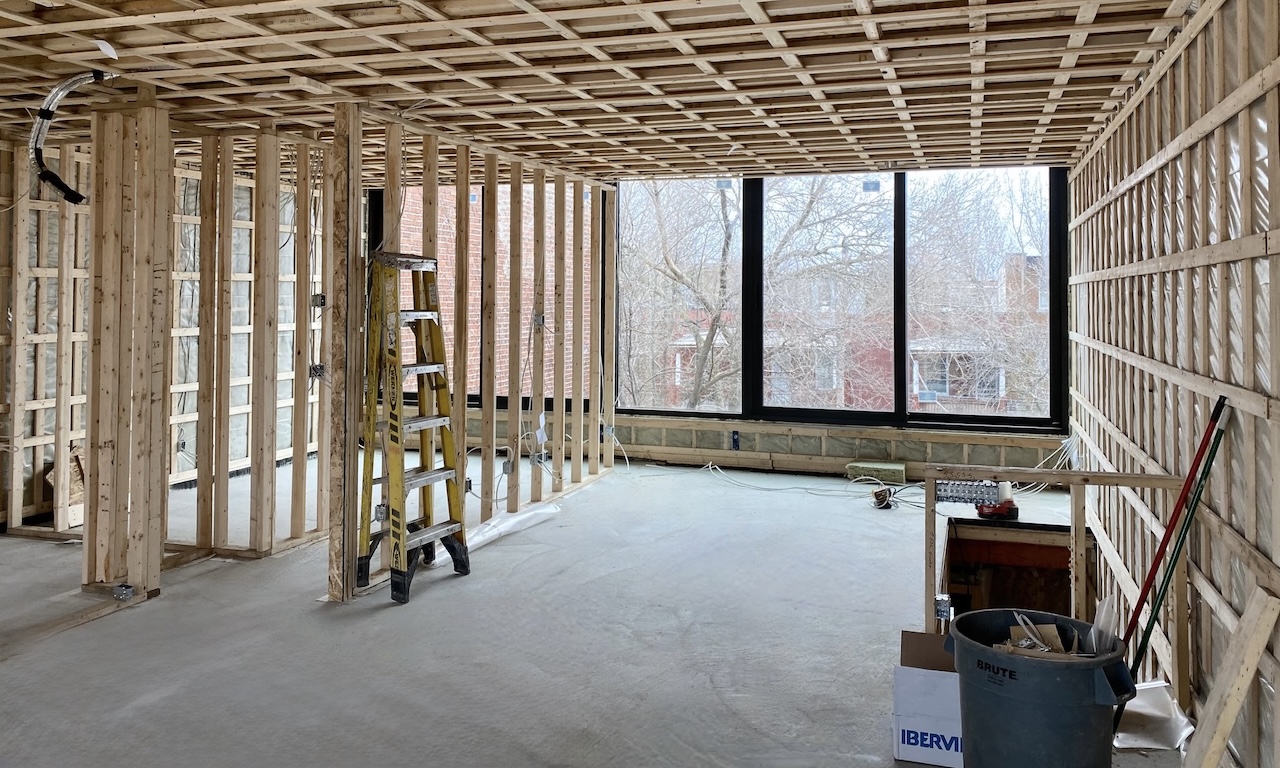
How much does it cost to renovate a house?
The cost of a home renovation depends on several factors, including the type of building, its condition, location, and the scope of work. Existing structural issues, construction defects, and site-specific conditions may also affect the budget. Fluctuations in material prices, seasonal factors, and weather conditions should also be taken into account when estimating the total project cost.
What grants are available for home renovations?
Various financial assistance programs may be available depending on the type of property and the nature of the renovations. As programs and eligibility requirements may change, we recommend consulting official government resources, including Natural Resources Canada and Quebec’s Rénoclimat program. Checking available incentives before work begins helps you identify potential funding opportunities and confirm your eligibility.
When should you hire a general contractor for a renovation in Montreal?
At Cré-Actif Construction, we encourage clients to involve us as early as possible when planning a renovation or new construction project. Early involvement allows us to assess the project’s possibilities, requirements, and potential challenges from the outset.When collaborating with an architect, we contribute practical expertise in construction methods, materials, costs, and on-site conditions. We can also connect you with the right professionals for your project.If you are considering purchasing a property to renovate or land for new construction, we can help assess its potential and identify key considerations before you make a commitment.
Can I stay in my home during a renovation?
Depending on the scope of work, arranging temporary accommodation may be advisable. Renting an apartment or staying with family or friends can provide greater comfort and flexibility throughout the renovation. This is particularly worth considering for major transformations, such as converting a duplex into a single-family home, when work may take place in several areas of the property at once.
Why are major renovations more complex than new construction?
An existing building often presents irregularities and constraints that may not be immediately apparent. During a major renovation, the challenge lies in integrating new elements into the existing structure while preserving the architectural coherence of the whole. This requires careful attention to materials, floor levels, proportions, and the adjustments necessary to maintain continuity throughout the building’s lines and volumes.
Is an extension always the best solution?
An extension is not always necessary to gain additional living space. An existing home may offer untapped potential through a more efficient use of its interior. Reconfiguring rooms, even when substantial work is required, can be more cost-effective and better suited to the occupants’ needs than building an addition. Before extending the home’s footprint, it is worth exploring the possibilities within the existing structure.
How do I know if my house can be extended?
Before considering an extension or an additional storey, it is important to assess the potential of the existing building. Its structure, architectural characteristics, regulatory constraints, and the occupants' needs must all be taken into account. This analysis helps identify feasible options and determine whether extending the living space is the most appropriate solution.
How large can a home extension be?
The scale of a home extension depends on the existing building, the occupants' needs, and the potential of the property. It may involve a modest addition or a substantial transformation of the home. A well-planned extension can also enhance natural light, introduce new connections to the outdoors, and redefine the relationship between interior and exterior spaces.
Let's talk about your project
RBQ: 8312 – 6110 – 56