Residential construction in Montreal
Construction tailored to your project
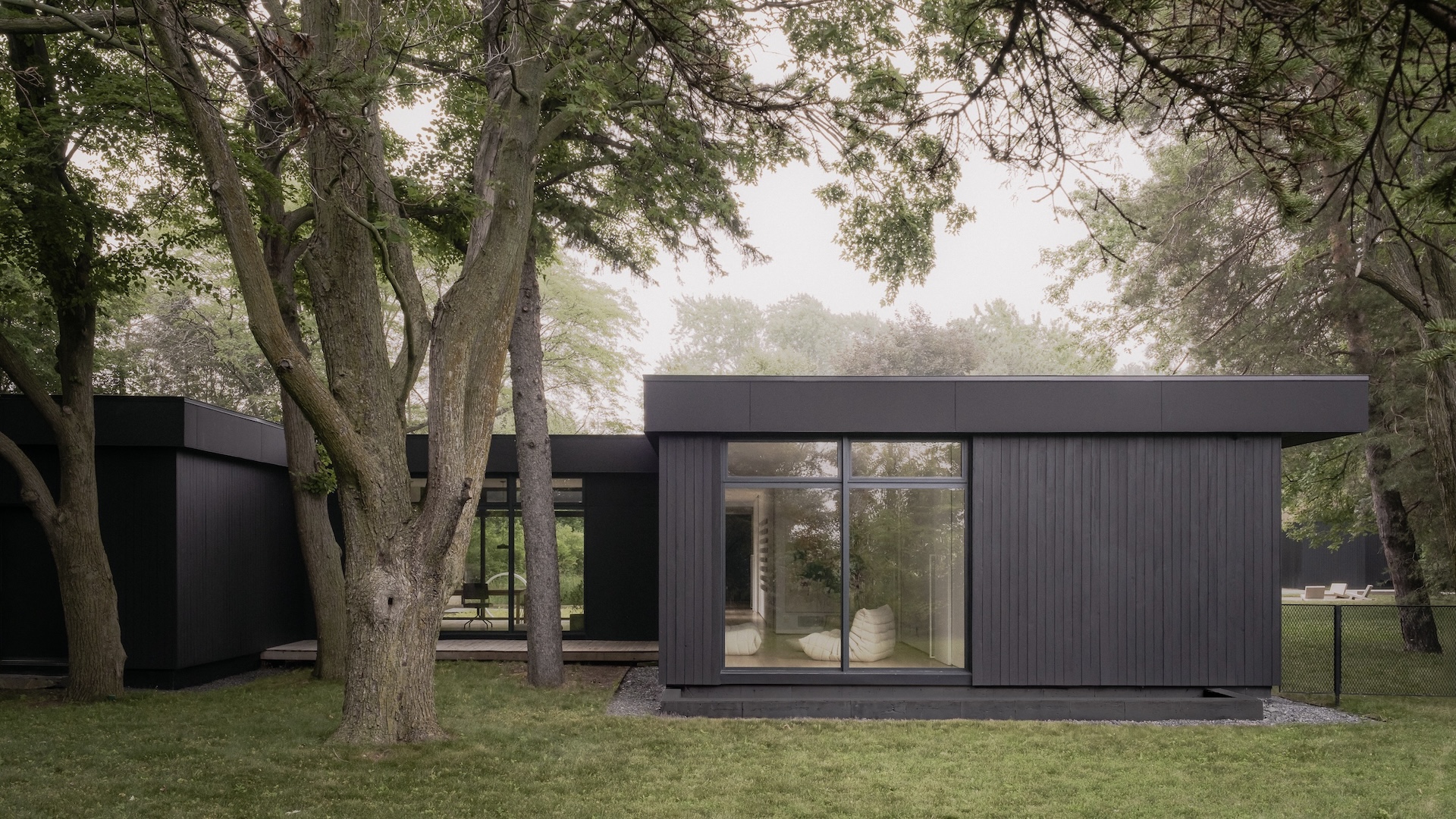
Photo credit:
Félix Michaud
Construction tailored to your project
Photo credit:
Félix Michaud
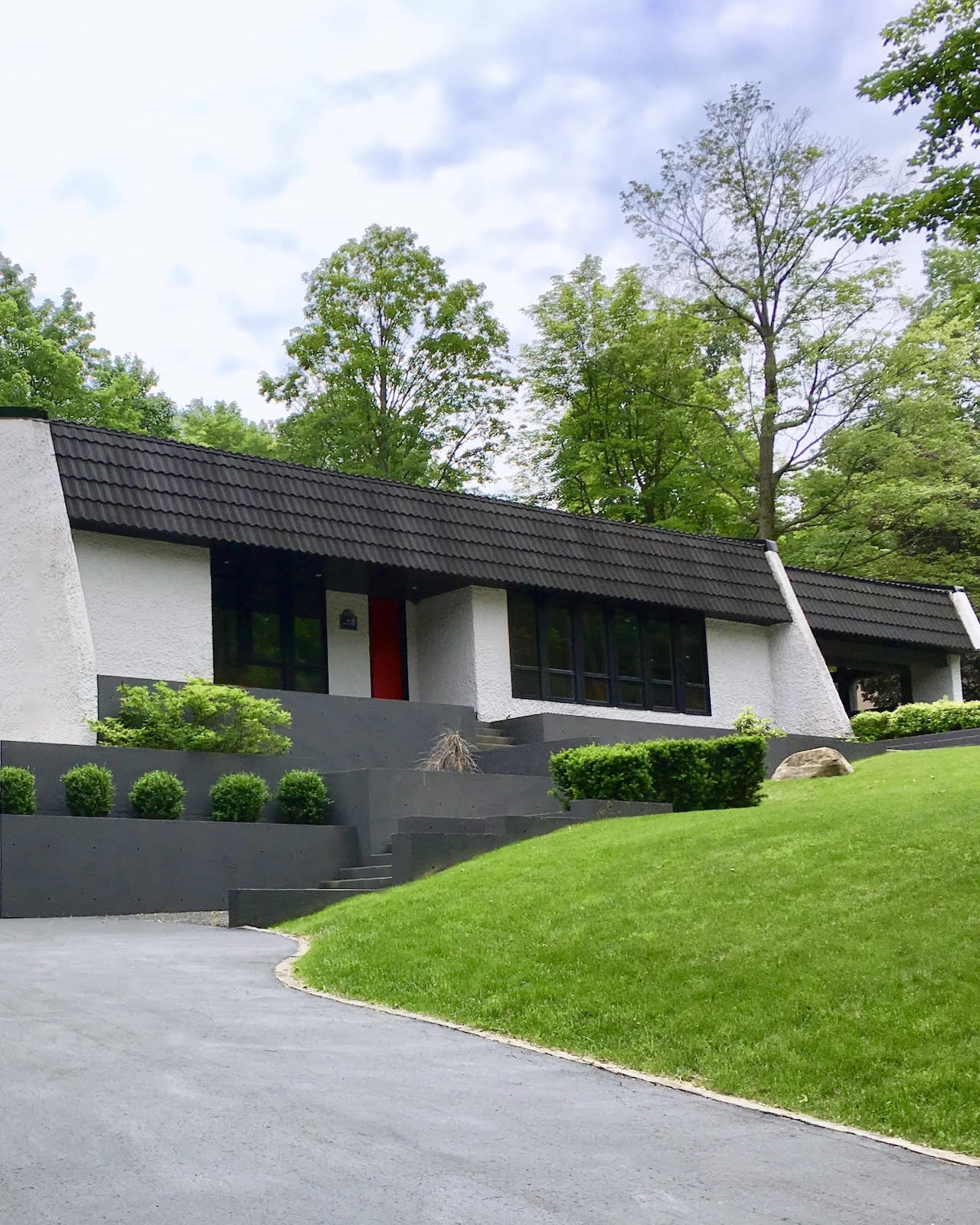
At Cré-Actif, we approach every residential construction project with careful consideration of the site, the proposed building, your specific needs, and your budget. This approach allows us to develop cohesive solutions from the outset and maintain continuity between planning and construction.
Residential construction and major renovation projects involve numerous decisions and require careful coordination. At Cré-Actif, we prioritize clear communication from the outset to gain a thorough understanding of your needs, priorities, and the specific requirements of your project.
This understanding allows us to plan the work systematically, coordinate the various trades, and guide you through key decisions at every stage. Our role is to maintain continuity from initial planning through construction and final project handover.
Learn more about us
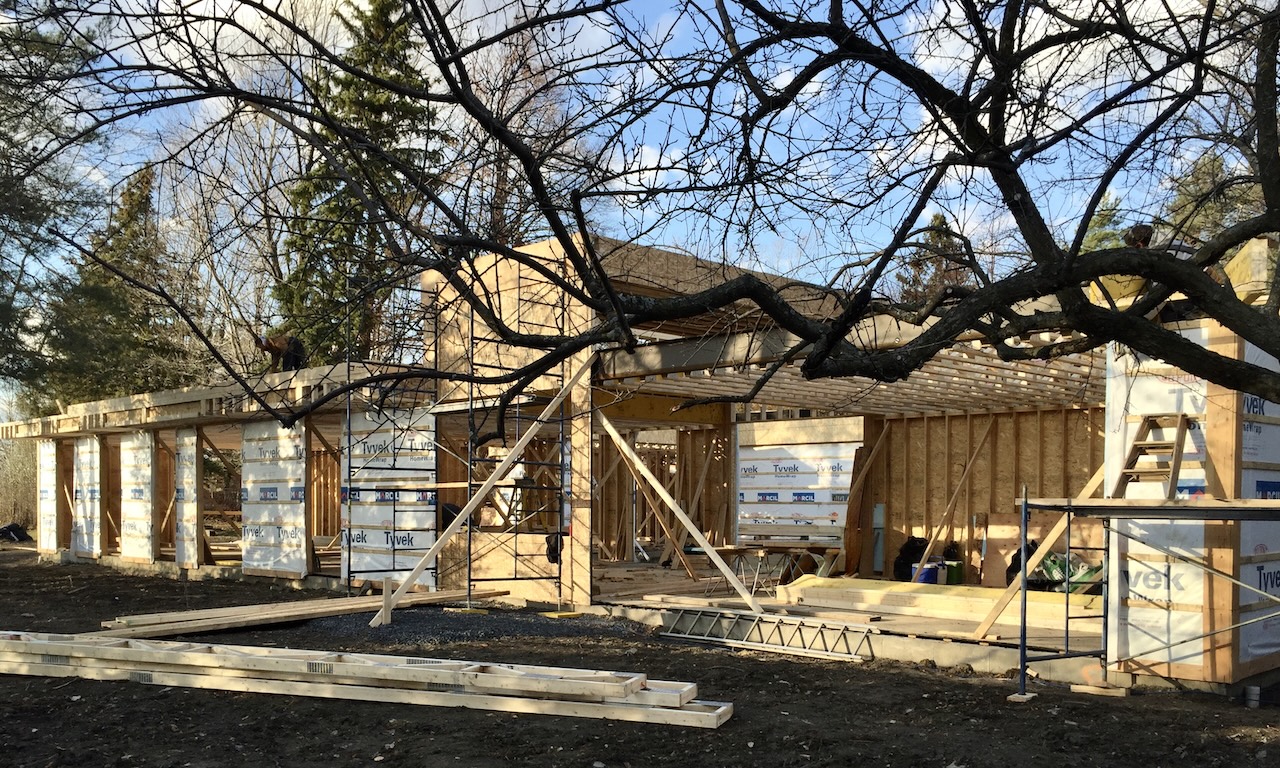
Thorough planning allows us to coordinate the various stages of the project, organize related tasks efficiently, and better anticipate the costs and resources required. It also provides an opportunity to address key decisions concerning the structure, materials, spatial organization, and natural light from the outset.
Our experience helps us anticipate potential challenges and plan accordingly. In an existing building, however, some conditions can only be confirmed once construction is underway. Clear communication ensures that unforeseen circumstances can be assessed promptly, available solutions discussed, and informed decisions made as the project progresses.
Learn more about us
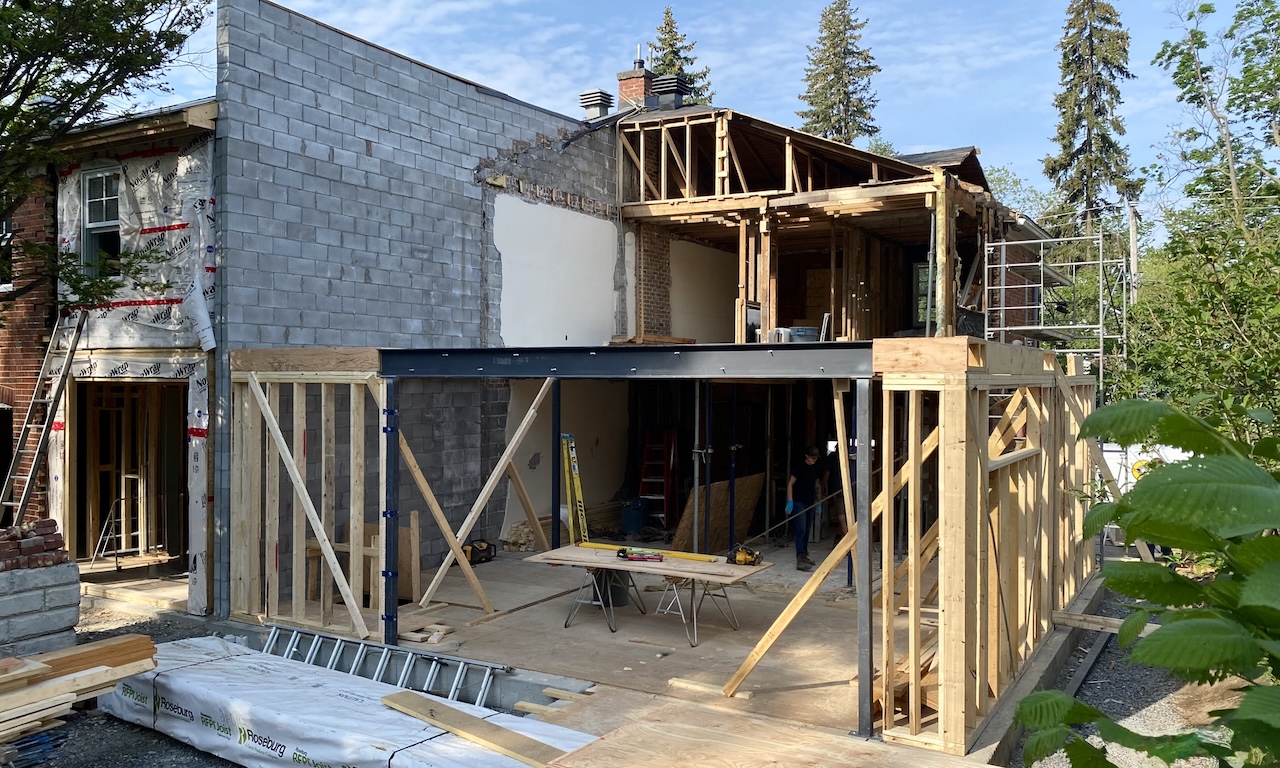
Initial discussions allow us to clarify the project's requirements, priorities, and specific characteristics. This early understanding informs design and construction decisions, ensuring they reflect the intended use of the space and the occupants' expectations.
Lifestyle
Understanding the people who will inhabit a home and the way they intend to live in it is essential to thoughtful planning. Daily routines, individual preferences, existing frustrations, and essential requirements all inform the design process. Considerations such as pets, working from home, or a family's evolving needs also influence how spaces are conceived and organized.
The activities that shape everyday life further define these priorities, whether entertaining guests, cooking, spending time outdoors, gardening, or creating a dedicated workspace. Considered alongside the available budget, these elements guide architectural decisions and help create a home that responds to the occupants' way of life.
Custom construction
We specialize in custom residential construction, tailoring each project to the characteristics of the site, its intended use, and the needs of its occupants. Close collaboration among the client, architect, contractor, and other professionals involved ensures careful coordination throughout the project and continuity between architectural intent and its realization.
Advice and support
Our involvement can begin during the search for a suitable property on which to build a new home or cottage. Several factors warrant careful consideration at this stage, including access to utilities, water and electrical services, wastewater management, site conditions, and regulatory constraints. Orientation, natural light, surrounding views, and proximity to a watercourse may also influence the building's placement on the site. Assessing these elements early helps establish the property's development potential and anticipate the work required before construction begins.
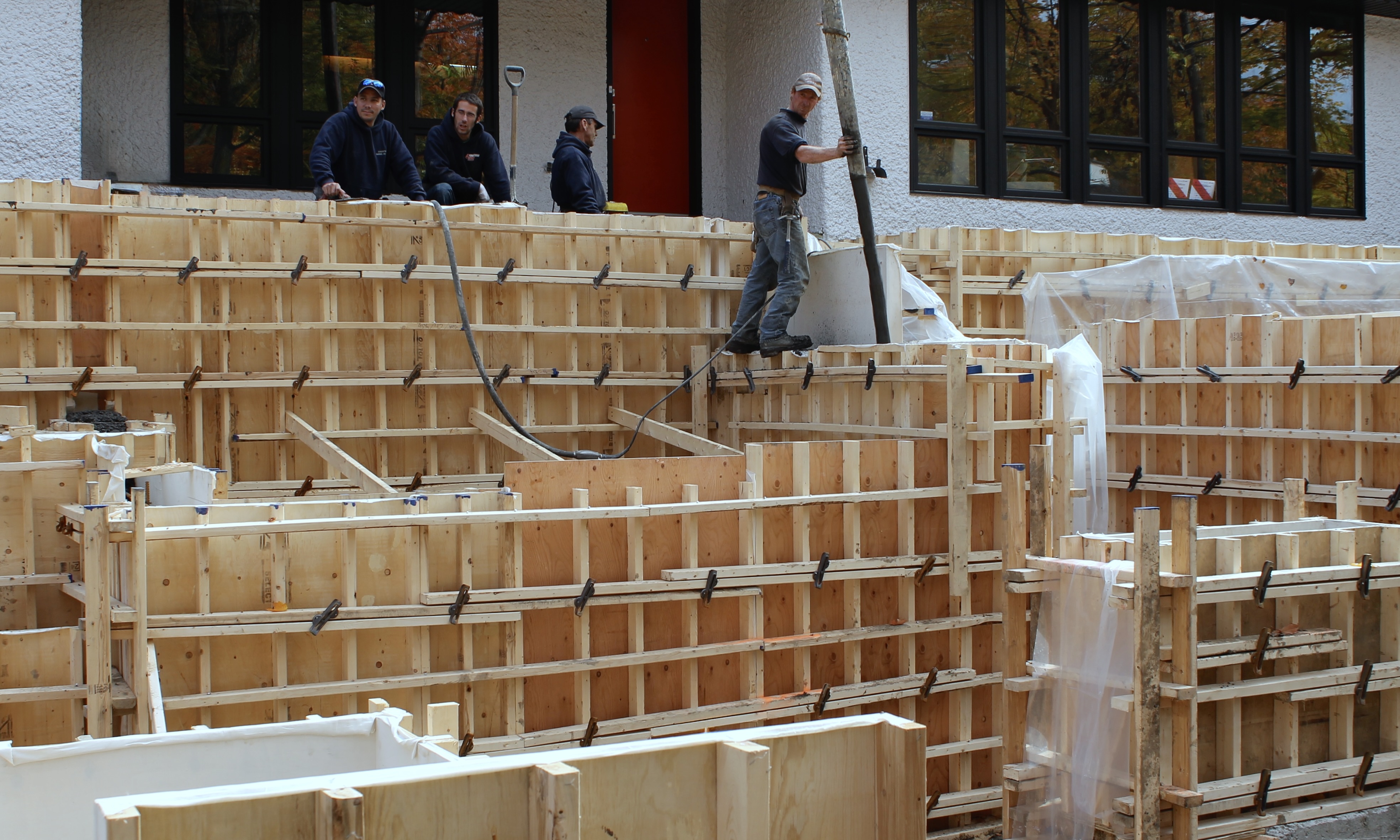
Our collaboration begins with an initial assessment to establish the project's key parameters, including your needs and expectations, budget, location, applicable regulations, and specific requirements. Depending on the scope of work, this stage also helps identify the professionals whose expertise will be required, such as an architect or structural engineer.
Site visits, preliminary design work, and an initial cost estimate allow us to further develop the project and evaluate its feasibility. The anticipated schedule is also reviewed to establish a realistic sequence of construction phases. Once the project's scope and requirements are clearly defined, a detailed budget is prepared in anticipation of the permit application process with the appropriate borough or municipality.
Learn more about us
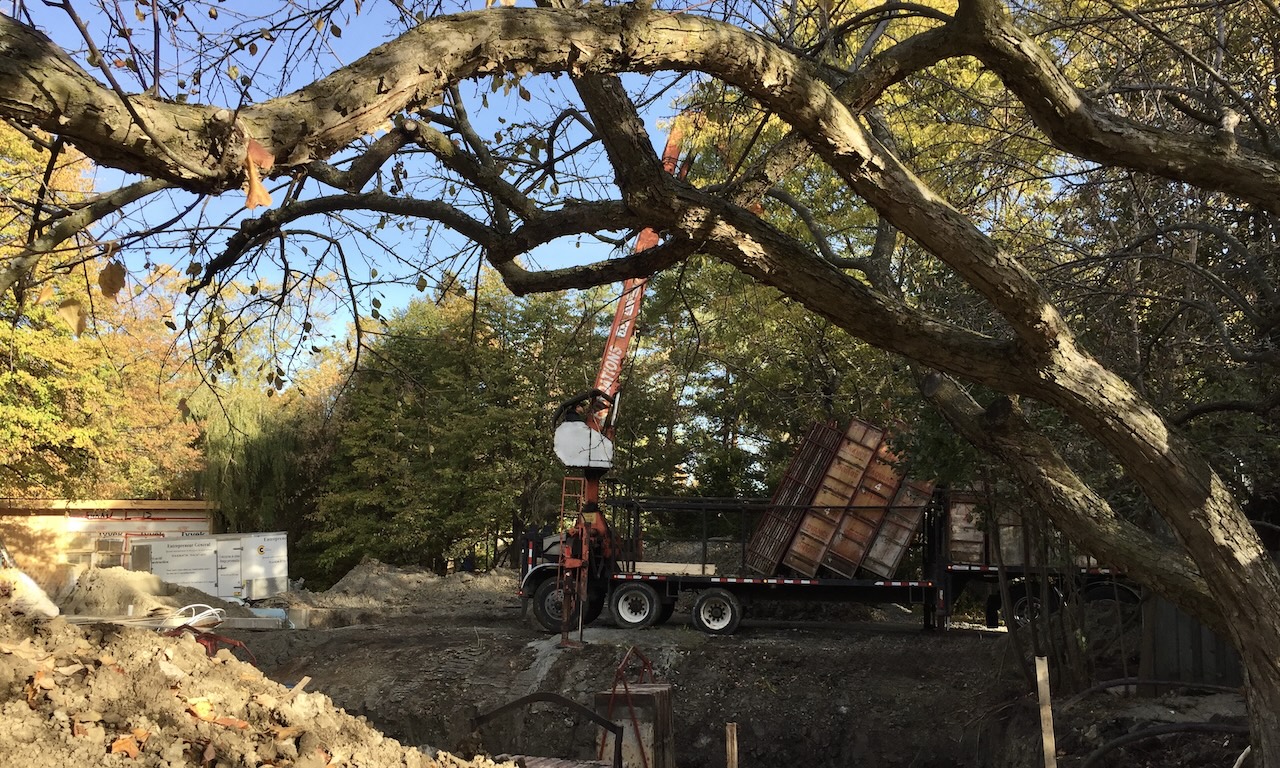
A well-defined project provides the foundation for a reliable budget estimate. The nature and scope of work, building characteristics, location, material selections, and desired level of finish all influence construction costs. An initial assessment helps establish a realistic preliminary budget and inform decisions before detailed planning begins.
In Montreal, planning a residential construction project several months in advance is generally advisable. Allowing sufficient time for design, cost estimates, material selection, permit applications, and trade coordination helps establish a realistic schedule and ensures that each phase is properly prepared.
Every project presents its own considerations and opportunities. To discuss your residential construction project in Montreal or elsewhere within our service area, contact Cré-Actif to explore the possibilities and determine the next steps.
Learn more about us
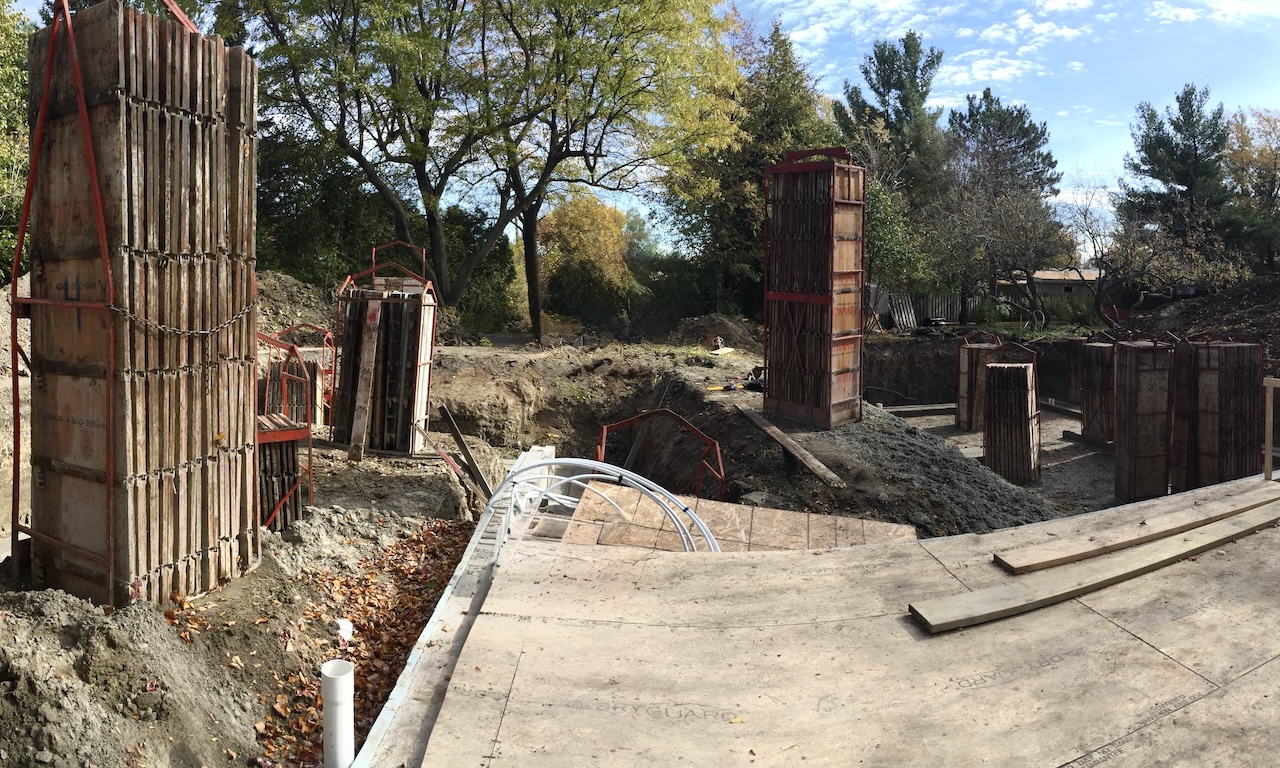
What are the typical construction timelines for a house in Montreal?
Construction timelines depend on the scale and complexity of the project, seasonal factors, site conditions, and pre-construction requirements, particularly permit approvals. For a new home, construction generally takes several months, in addition to the time required for design, planning, and obtaining permits. A realistic schedule is developed according to each project's specific requirements and the sequence of work involved.
What are the important criteria to consider when selecting a construction company in Montreal?
Confirming that a contractor holds a valid RBQ licence is an essential first step. It is equally important to consider their experience with comparable projects, the quality of their workmanship, and their approach to communication. For residential construction, transparency regarding costs, clear communication, and effective coordination of the various trades are fundamental. Establishing a relationship built on trust fosters productive collaboration from initial planning through to completion.
What construction standards must be met in Montreal?
Residential construction projects are subject to building codes and regulations, as well as municipal requirements that may vary by location and, in Montreal, by borough. These govern various aspects of the project, including building placement, structural integrity, safety, and energy efficiency. The professionals involved must integrate these requirements into both the design and construction phases to ensure compliance with applicable standards and regulations.
What factors should be considered when planning a new home?
Who will live in the home, and how will each person use the space? What are their individual needs, shared routines, and essential priorities? Do you have pets or plan to welcome them in the future? Would you like a space dedicated to year-round gardening? These considerations, however personal or specific, can have a meaningful influence on the way a home is designed and experienced. Understanding your lifestyle, your immediate and long-term aspirations, and your budget allows us to make thoughtful design decisions that reflect the way you live today while anticipating how your needs may evolve.
How is a preliminary budget estimate calculated?
A preliminary cost estimate provides an initial indication of the project's budget, based on its size, scope of work, and desired level of finish. While cost per square foot offers a useful reference point, it must be considered alongside site conditions, architectural complexity, material selections, and specific construction requirements. The estimate is progressively refined as the project's scope and specifications become more clearly defined.
Why should you start planning a construction project well in advance?
A construction project often involves several administrative and regulatory steps before work can begin. Obtaining permits, seeking zoning variances, and, depending on the project, securing approvals from municipal committees or other authorities can affect the overall timeline. Early planning allows sufficient time to navigate these procedures, refine project decisions, and coordinate the necessary preparations before construction begins.
Let's talk about your project
RBQ: 8312 – 6110 – 56